|
|
| Cultivation/Fermentation Technique | June 2023 |
Aromatic compounds and organic acids identified from Ganoderma formosanum exhibit synergistic anti-melanogenic effects |
|
| Pattanan Songdech ,Chutikarn Butkinaree ,Yodying Yingc hutr akul ,Peer ada Promdonkoy ,Weer awat Runguphan,Nitnipa Soontorngun | |
AbstractThis study aims to investigate the anti-inflammatory properties of a fermented product of Ganoderma formosanum and identify bioactive components. A total of 25 compounds were identified using HPLC and LC–MS/MS. Vanillic acid and 4-hydroxybenzoic acid significantly inhibited nitric oxide (NO) production in LPS-stimulated RAW264.7 cells. The fermented product reduced expression of IL-6 and TNF-α genes and inhibited COX-2 and iNOS proteins. The findings suggest G. formosanum fermentation products may be used as anti-inflammatory ingredients. |
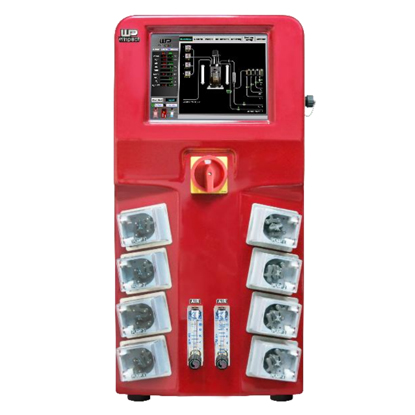 Winpact Model: FS-05 |
IntroductionGanoderma species have been widely studied for their immunomodulatory and anti-inflammatory properties. However, G. formosanum, an endemic species in Taiwan, remains less characterized. This study focuses on identifying anti-inflammatory compounds in the fermented product of G. formosanum to explore its therapeutic potential.
Materials and MethodsFermentation was carried out using solid-state fermentation with brown rice as the substrate. Ganoderma formosanum was incubated at 25 °C for 30 days. The fermented products were extracted with 95% ethanol and analyzed via HPLC and LC–MS/MS.
Results
ReferencesAromatic compounds and organic acids identified from Ganoderma formosanum exhibit synergistic anti-melanogenic effects
|
|
| https://www.jfda-online.com/journal/vol32/iss4/11/ | |
 |
|